October 9, 2026
Bringing a companion into your life marks the start of a journey that changes dramatically over time. From the exuberant days of early puppyhood or kittenhood to the serene pace of senior companionship, your pet undergoes profound physical, behavioral, and developmental changes. Because animals age far more rapidly than humans, their underlying healthcare requirements shift at an accelerated rate through every passing phase. Navigating these transition points requires a proactive, highly adaptable approach that prioritizes age-appropriate preventative health measures tailored to every unique stage of development. Partnering closely with a knowledgeable veterinarian ensures that you can anticipate these physical transformations, address subtle symptoms early, and adjust your care strategies accordingly, giving your cherished pet the best possible opportunity for a comfortable, healthy, and exceptionally long life.
Understanding Biological Stages Across Species and Breeds
Pet aging is not a uniform process, and biological timelines vary dramatically across different species, individual breeds, and overall physical sizes. Dogs and cats transition through distinct life stages—puppy or kitten, young adult, mature adult, senior, and geriatric—at drastically different speeds. While domestic cats and small dog breeds often enter their senior years around nine or ten years of age, according to our experts, giant dog breeds like Mastiffs or Great Danes reach senior status as early as five or six due to accelerated growth and metabolic demands. Genetics, baseline organ health, body condition score, and environmental factors all influence how quickly an individual animal experiences physical decline. Recognizing the biological milestones of aging allows you to adjust dietary intake, physical activity levels, and medical screening frequency before age-related ailments compromise your pet’s daily comfort or mobility.
Establishing Primary Care Habits in Young Pets
The foundation of lifelong health begins during the initial puppy and kitten stage, when the primary focus centers on building a resilient immune system and preventing infectious diseases. Early medical care involves administering core vaccine series on strict schedules, initiating routine parasite prevention for fleas, ticks, heartworms, and intestinal worms, and scheduling appropriate spay or neuter procedures. Establishing a relationship with your veterinarian during these formative months creates a critical health baseline and helps socialize your young pet to clinical environments and handling. Beyond immediate medical treatments, early care emphasizes proper nutrition for rapid growth, gentle behavioral training, habituating your pet to routine physical handling, and introducing daily home dental hygiene habits like toothbrushing to prevent costly oral issues later in life.
Monitoring Annual Wellness Inspections and Screenings
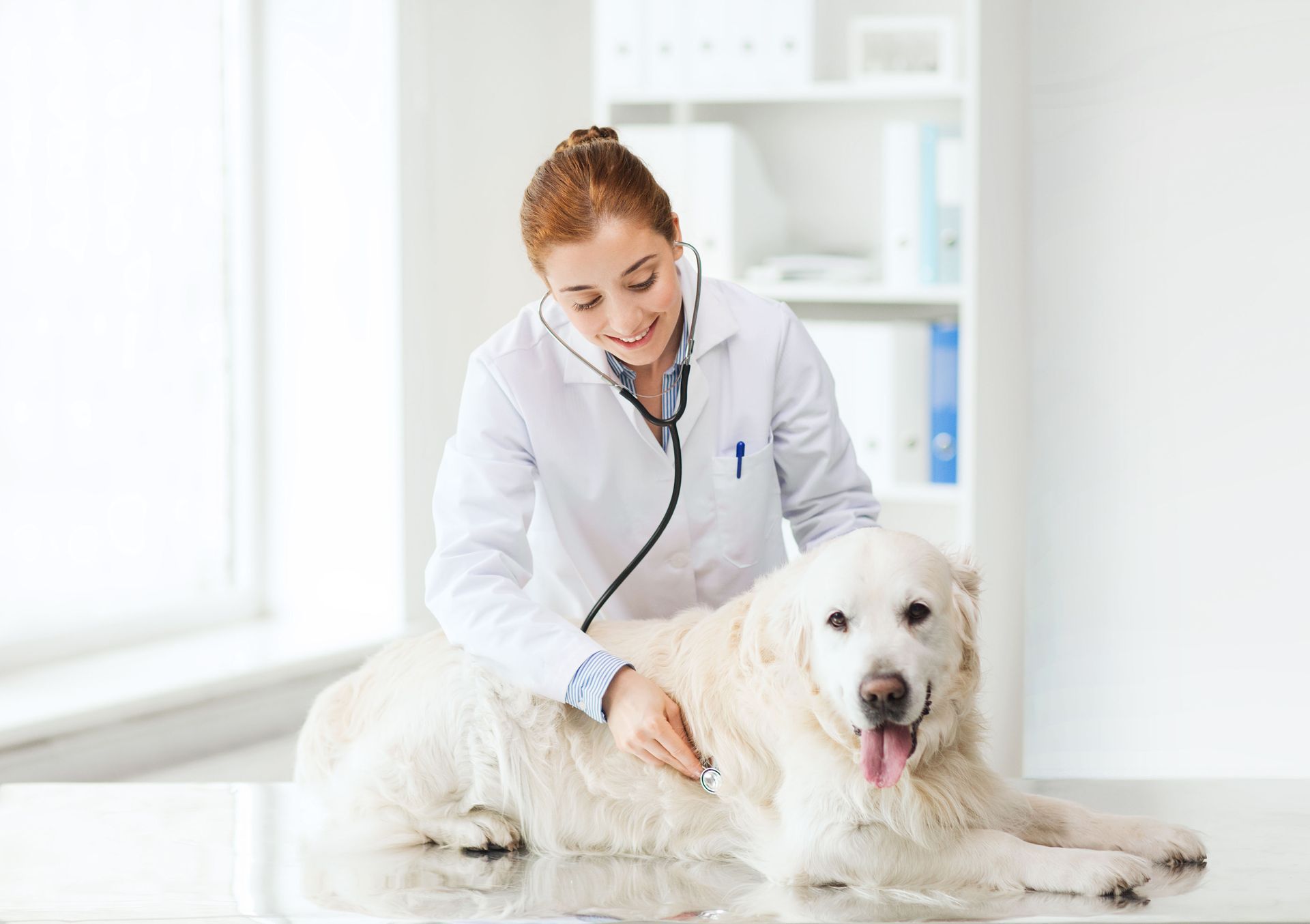
As your pet transitions out of youth and into young adulthood and mature adulthood, veterinary care shifts toward maintenance, lifestyle management, and early disease detection. Annual wellness exams become the absolute cornerstone of preventative care, giving healthcare professionals the vital opportunity to conduct thorough nose-to-tail physical assessments. These visits frequently incorporate basic screening diagnostics, including baseline blood chemistry panels, complete blood counts, urine testing, and routine fecal examinations. Screening tools like these help identify subtle, asymptomatic internal health changes—such as early kidney variations, thyroid imbalances, liver changes, or mild joint stiffness—long before outward clinical symptoms become apparent to owners. Catching these subtle indicators early allows for early lifestyle and therapeutic interventions that can slow disease progression significantly.
Adapting Nutritional Strategies for Aging Bodies
Metabolic rates, organ efficiencies, and physical activity levels naturally decline as pets mature into senior status, necessitating strategic changes in their daily nutritional plans. Senior pets often require diets with lower overall calorie counts and reduced fat levels to prevent weight gain, which places unnecessary, dangerous strain on aging joints and internal organs. Conversely, some geriatric animals struggle with muscle wasting and require highly digestible, concentrated protein sources to maintain lean muscle mass. Specialty senior formulations enriched with targeted joint-supporting nutrients like glucosamine, chondroitin, and omega-3 fatty acids help preserve joint function and reduce systemic inflammation. Consulting your veterinarian to formulate a customized dietary, portion, and supplement plan ensures your companion receives targeted nutrition that actively supports renal health, cardiac stability, and weight management.
Identifying Early Signs of Chronic Senior Illness
Senior pets become increasingly susceptible to chronic, complex health conditions, including osteoarthritis, chronic kidney disease, diabetes mellitus, cardiovascular disease, and cognitive dysfunction syndrome. Early symptoms are often extremely subtle, and pet owners frequently mistake critical warning signs—such as mild lethargy, increased water consumption, altered sleeping patterns, stiffness upon waking, or persistent bad breath—for normal aging. Paying close attention to subtle changes in posture, coat condition, behavioral interactions, and elimination habits is crucial during this stage of life. Reporting these minor physical or behavioral shifts promptly to your veterinarian enables early therapeutic management, targeted pain control protocols, or dietary modifications that preserve your pet’s overall quality of life and stave off complications.
Navigating Surgical Procedures and Senior Anesthesia
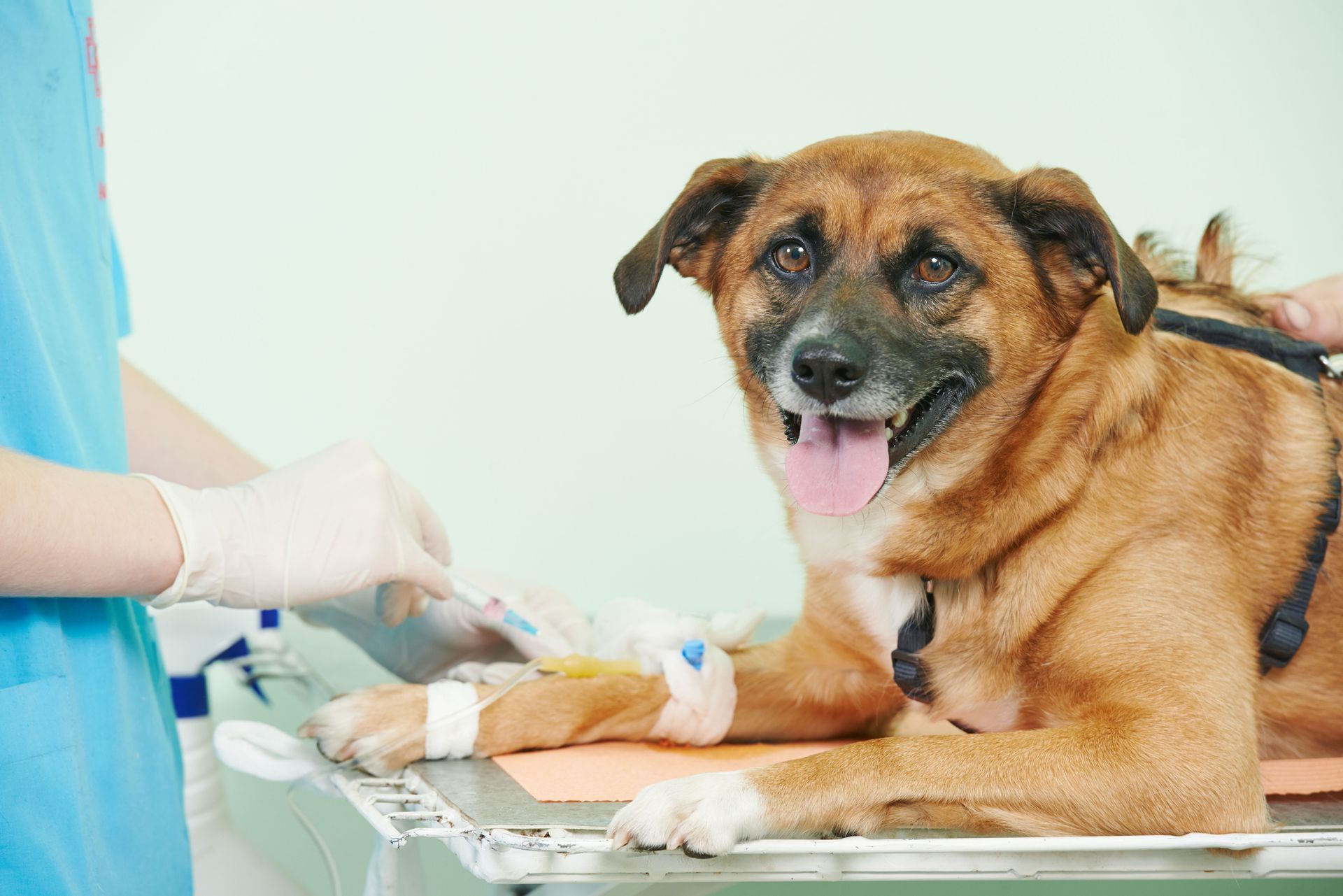
Surgical interventions play a significant, highly effective role in maintaining optimal health throughout every phase of a pet's life, whether for early preventative procedures, soft tissue repairs, diagnostic biopsies, or tumor removals. According to Gitnux, 20% of all animal hospital and clinic visits are for surgery. While the thought of putting an older pet under anesthesia can be daunting for owners, age itself is not a disease, and modern anesthetic protocols are remarkably safe for senior patients. Advanced pre-anesthetic diagnostic screenings, personalized drug selection, intravenous fluid therapy, and continuous monitoring of vital signs minimize risks. Essential surgical procedures, such as thorough dental scale and polish procedures or extractions, remove sources of chronic pain and systemic bacterial infection, leading to a noticeable improvement in your senior pet's daily vitality.
Modifying Home Environments for Senior Comfort
As physical flexibility, muscle strength, and sensory perception naturally decrease with advancing age, making thoughtful, proactive modifications to your home environment helps senior pets maintain independence and daily physical comfort. Providing supportive orthopedic memory-foam beds reduces painful pressure points on aching joints, while laying down non-slip rugs on smooth tile or hardwood floors prevents dangerous, painful slips and falls. For pets experiencing progressive vision loss, keeping household furniture layouts consistent and installing soft nightlights near feeding areas helps them navigate safely without anxiety. Ramps or pet stairs facilitate easy access to favorite couches or vehicles, and low-entry litter boxes eliminate joint strain for arthritic cats. Pairing these environmental adjustments with targeted pain management strategies prescribed by your veterinarian ensures your companion stays mobile, comfortable, and fully engaged with family life.
Transitioning to Specialized Palliative and End-of-Life Care
When chronic illnesses progress or advanced age severely limits functional mobility and comfort, pet care naturally evolves toward dedicated palliative and hospice support aimed purely at maximizing daily quality of life. Palliative care focuses holistically on symptom management, pain relief, optimal hydration, skin hygiene, and stress reduction rather than attempting curative disease treatments. Utilizing structured quality-of-life assessment tools, such as scoring scales that evaluate pain, appetite, hydration, hygiene, happiness, mobility, and good days versus bad days, helps families track their pet’s well-being objectively over time. Working closely with a compassionate veterinarian during this delicate stage provides families with emotional guidance, effective pain relief protocols, and peace of mind when making challenging end-of-life decisions with dignity and respect.
Veterinary care needs evolve continuously throughout your pet’s life, transitioning smoothly from foundational immunizations and habituation in youth to specialized disease prevention, environmental accommodations, and targeted pain management in senior years. By recognizing the unique physical demands of each biological stage and responding with tailored care strategies, you empower your companion to enjoy maximum health, comfort, and vitality at every milestone. Maintaining an open, proactive, and lifelong partnership with your
veterinarian ensures that your pet receives compassionate, comprehensive medical support from their earliest steps all the way through their golden years.
Are you ready to support your pet through every age and stage of their life journey? Schedule a comprehensive wellness examination with our experienced veterinary team at Dobbs Ferry Animal Hospital today to keep your companion healthy and thriving. Contact us now to book your appointment and personalize your pet's ongoing health plan!