September 4, 2026
Keeping a pet healthy over the course of its life requires more than responding when an illness or injury occurs. Preventive care, regular evaluations, diagnostic testing, nutrition, dental care, and age-specific support all contribute to long-term wellness. An animal hospital provides a central location where pet owners can receive guidance and medical services throughout each stage of an animal's life. By developing an ongoing relationship with experienced veterinarians, owners can better understand their pets' changing needs and address concerns before they become more difficult to manage. Consistent care also creates a medical history that allows the veterinary team to recognize changes in weight, behavior, mobility, and other health indicators. Understanding how an animal hospital contributes to long-term health can help owners make informed decisions that support their pets from their earliest years through their senior stages.
Providing Preventive Care
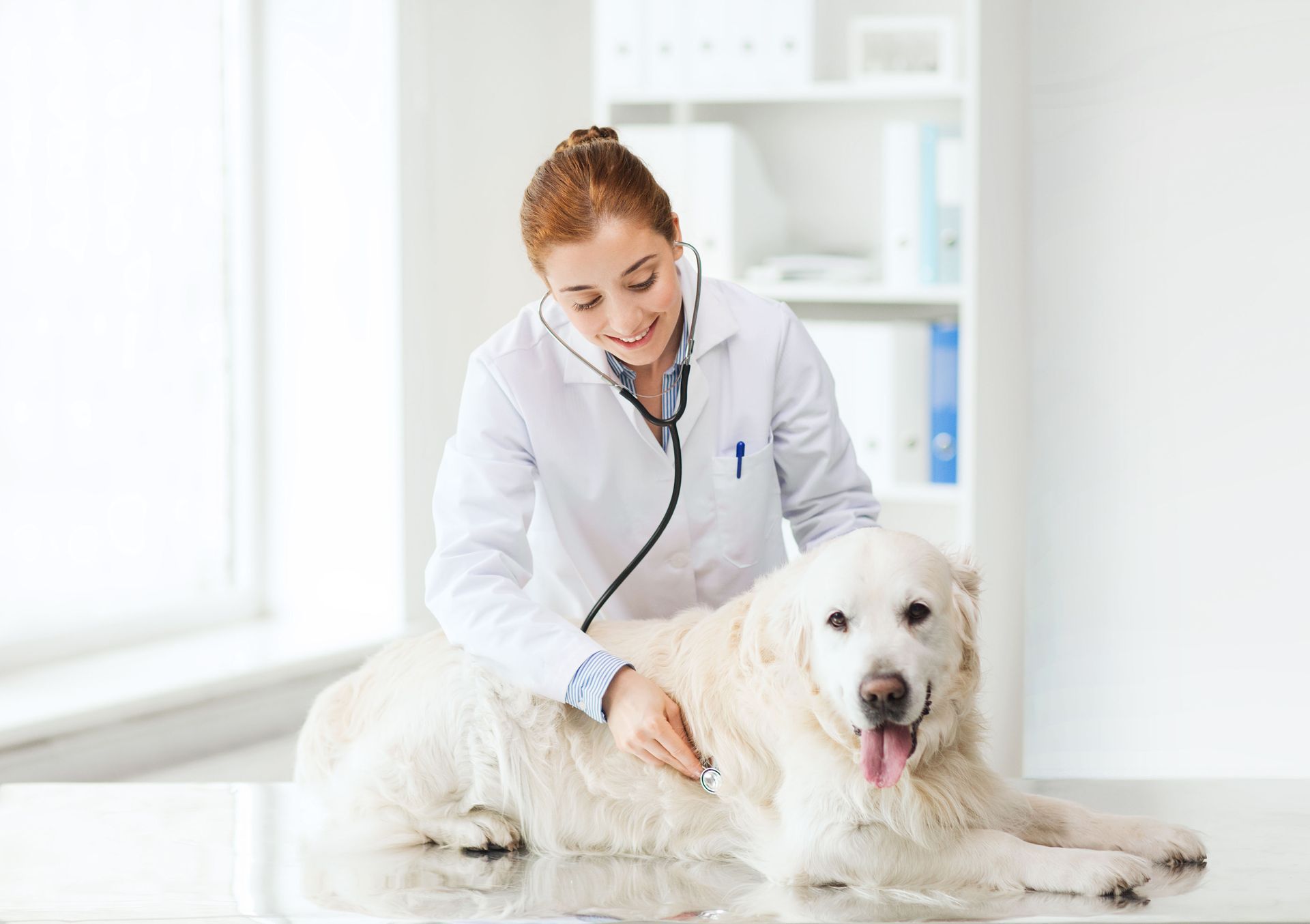
Preventive care is one of the most important ways an animal hospital supports long-term health. Routine wellness examinations allow the veterinary team to assess a pet's overall condition even when no obvious symptoms are present. During these appointments, veterinarians may evaluate weight, heart and lung function, skin and coat condition, eyes, ears, joints, and other areas that can provide information about an animal's health. Vaccination schedules, parasite prevention, and lifestyle recommendations can also be reviewed based on the pet's age, environment, and individual risk factors.
Regular preventive visits give owners an opportunity to discuss subtle changes that may otherwise be overlooked. Differences in appetite, thirst, bathroom habits, energy, sleep patterns, or behavior can sometimes provide early clues that something has changed. An animal hospital can document these observations and compare them with findings from previous appointments. When potential concerns are identified sooner, the veterinary team can recommend additional monitoring, testing, or treatment before a condition has an opportunity to progress.
Monitoring Physical Changes
Animals change gradually throughout their lives, and some of those changes can be difficult for owners to notice because they see their pets every day. Periodic examinations provide an objective opportunity to evaluate changes in body condition, muscle mass, mobility, and other physical characteristics. Veterinarians can compare current measurements with previous records to determine whether weight gain, weight loss, stiffness, or other developments deserve additional attention. This ongoing monitoring creates a clearer picture of how the pet's health is progressing over time.
Monitoring is particularly useful because animals cannot explain when they are uncomfortable or describe symptoms in detail. Some pets may also instinctively hide weakness or discomfort. Changes such as reduced activity, difficulty climbing stairs, reluctance to jump, excessive licking, or changes in grooming habits may indicate that further evaluation is appropriate. By combining owner observations with physical examinations and medical records, an animal hospital can help identify patterns that might otherwise remain unnoticed.
Managing Ongoing Health Conditions
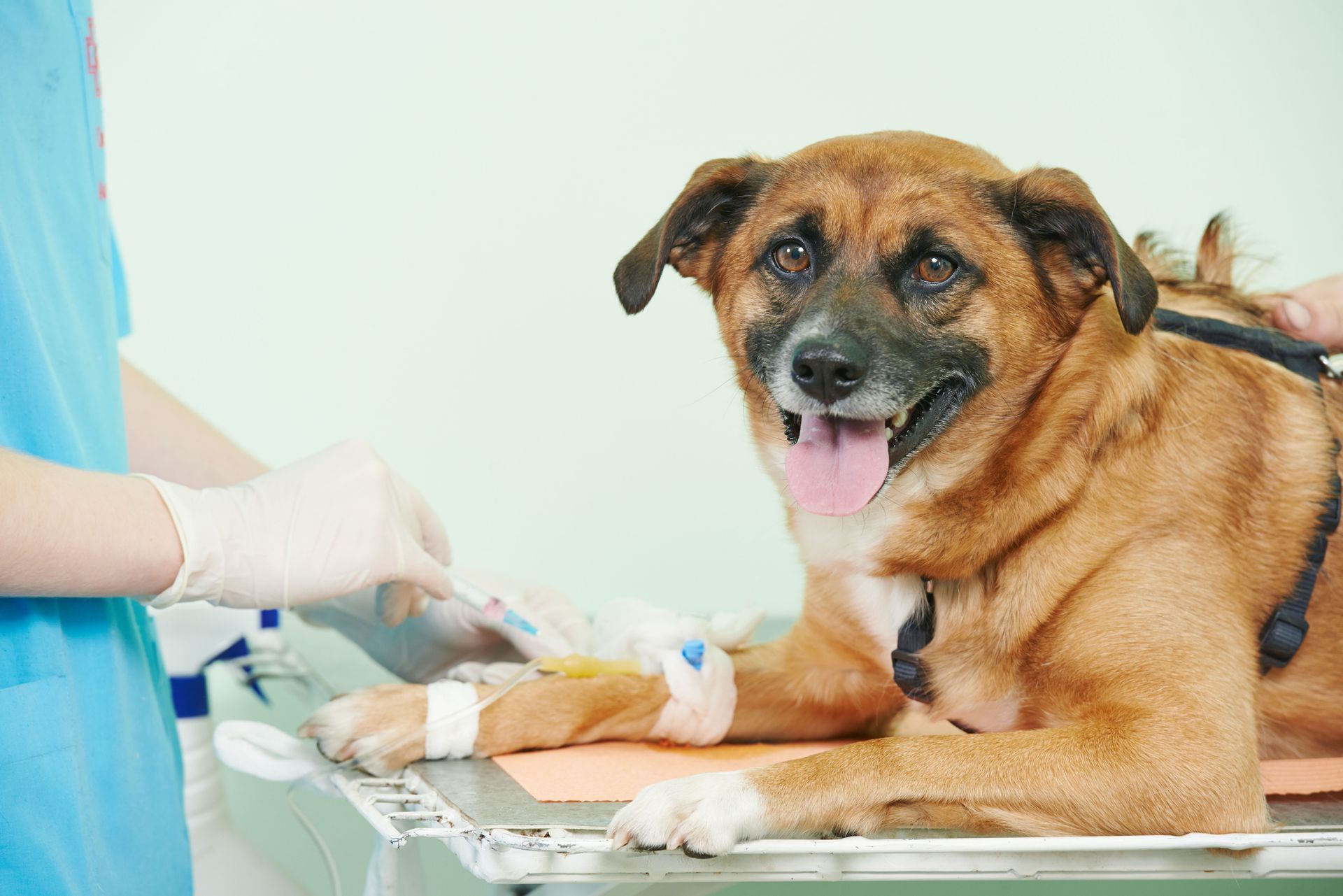
Some pets develop medical conditions that require continued management rather than a single course of treatment. Diabetes, arthritis, allergies, heart conditions, kidney concerns, and other health issues may require medication, dietary adjustments, testing, or periodic evaluations. An animal hospital can provide continuity by keeping records of treatment plans, laboratory findings, medication changes, and the pet's response over time. Veterinarians can use this information to determine whether an existing plan is working or should be adjusted as the animal's needs change.
Consistent management can also help owners understand what to watch for at home. They may receive instructions regarding medication schedules, activity levels, dietary requirements, or symptoms that should prompt an earlier appointment. Follow-up visits create opportunities to discuss how the pet is responding and whether any new concerns have appeared. This communication between the owner and veterinary team can make long-term conditions easier to monitor while helping the pet maintain an appropriate level of comfort and daily activity.
Supporting Healthy Nutrition
Nutrition affects nearly every aspect of a pet's health, including body weight, energy levels, digestion, skin condition, and development. However, nutritional requirements can vary considerably based on species, breed, age, activity level, and medical history. Veterinarians can help owners evaluate whether a current feeding routine is appropriate and recommend adjustments when a pet enters a new life stage or experiences changes in health. This guidance can be particularly helpful when owners are choosing among the many foods, treats, and feeding approaches available.
Weight management is another important part of nutritional care. Excess weight can place additional stress on joints and may affect a pet's mobility and overall quality of life. Being underweight can also signal nutritional deficiencies or underlying medical concerns. Regular weigh-ins and body condition evaluations help the animal hospital identify trends and provide practical recommendations regarding portions, feeding schedules, treats, and activity. A nutritional plan can then be adjusted as the pet grows older or its health needs evolve.
Protecting Oral Health
Dental care is an important part of a pet's overall wellness because problems in the mouth can cause discomfort and make eating more difficult. Plaque, tartar, irritated gums, damaged teeth, and other oral concerns may develop gradually and can be difficult for owners to see. During a routine examination, veterinarians can evaluate the mouth and determine whether additional dental care may be appropriate. Early attention to dental problems can help prevent smaller issues from becoming more complicated or painful.
An animal hospital can also provide owners with guidance for maintaining oral health between appointments. Depending on the pet, recommendations may include tooth brushing, appropriate dental products, or professional cleanings when necessary. Owners should also watch for signs such as persistent bad breath, difficulty chewing, dropping food, pawing at the mouth, or reluctance to eat harder foods. Incorporating dental evaluations into routine veterinary care helps ensure that oral health remains part of the pet's broader long-term wellness plan.
Guiding Care Through Aging
As pets grow older, their medical needs often change. Senior animals may experience shifts in mobility, vision, hearing, metabolism, dental health, or organ function, making regular evaluations increasingly important. According to the American Animal Hospital Association, healthy senior dogs should visit a veterinarian at least twice annually to help identify potential health concerns at an early stage. More frequent visits allow veterinarians to evaluate changes over shorter intervals and discuss whether adjustments to nutrition, exercise, medications, or home routines could help support an aging pet.
Senior care can also focus on maintaining comfort and preserving quality of life. Owners may need guidance about making the home easier to navigate, modifying exercise, monitoring appetite, or recognizing behavioral changes. Regular appointments provide opportunities to review these issues and develop a care plan that reflects the individual animal's condition rather than relying only on its age. By following a pet throughout its life, an animal hospital can use years of medical history to better understand which changes are new and which are part of an established pattern.
Long-term pet health depends on consistent attention to both obvious concerns and gradual changes that can occur over time. Preventive examinations, health monitoring, chronic condition management, nutritional guidance, dental care, diagnostic testing, and senior support all contribute to a more complete approach to veterinary care. Building an ongoing relationship with veterinarians also gives pet owners a reliable resource for questions and allows medical decisions to be informed by a detailed history of the animal's health. Whether a pet is young and developing or entering its senior years, regular care can help owners respond appropriately to changing needs. To establish a long-term care plan and support your pet's health through every stage of life, contact Dobbs Ferry Animal Hospital.