June 4, 2026
Owning a pet brings immense joy, profound companionship, and a vibrant energy to any household. However, this rewarding relationship also demands a profound, lifelong commitment to responsible caretaking. To ensure the physical well-being, emotional stability, and overall happiness of your animal companions, understanding your essential duties as an owner is vital. From constructing a safe physical environment to securing regular healthcare, being a dedicated caretaker requires a continuous willingness to learn and adapt to your animal's unique species and breed needs. Prioritizing these foundational elements allows you to foster a deeply nurturing relationship, ensuring your companion thrives for years to come.
Providing proper nutrition
Proper nutrition is the fundamental cornerstone of animal health, vitality, and longevity. Just as with human health, what goes into an animal's body directly dictates their energy levels, immune function, coat quality, and organ health. Different species, breeds, and life stages have highly unique dietary requirements, making a one-size-fits-all approach to feeding entirely inadequate. Consulting with knowledgeable veterinarians can offer valuable insights into what nutrients, proteins, and vitamin levels are most suitable for your individual companion. Selecting high-quality products that focus on wholesome proteins and recognizable ingredients, rather than mysterious fillers or chemical artificial additives, prevents many chronic health conditions and promotes long-term metabolic vitality.
Establishing consistent feeding schedules is equally vital for comprehensive nutritional care. Animals thrive on routine, as predictability reduces stress and stabilizes their internal biological clocks. Maintaining regular, measured meal times keeps their metabolism performing optimally and prevents the psychological anxiety associated with irregular feeding. Overfeeding, often driven by the excessive giving of table scraps or treats, can quickly lead to severe health issues like obesity, diabetes, and joint strain. Conversely, underfeeding can lead to malnutrition and muscle wasting, highlighting the need for precise portion control tailored to current activity levels.
Ensuring regular veterinary care
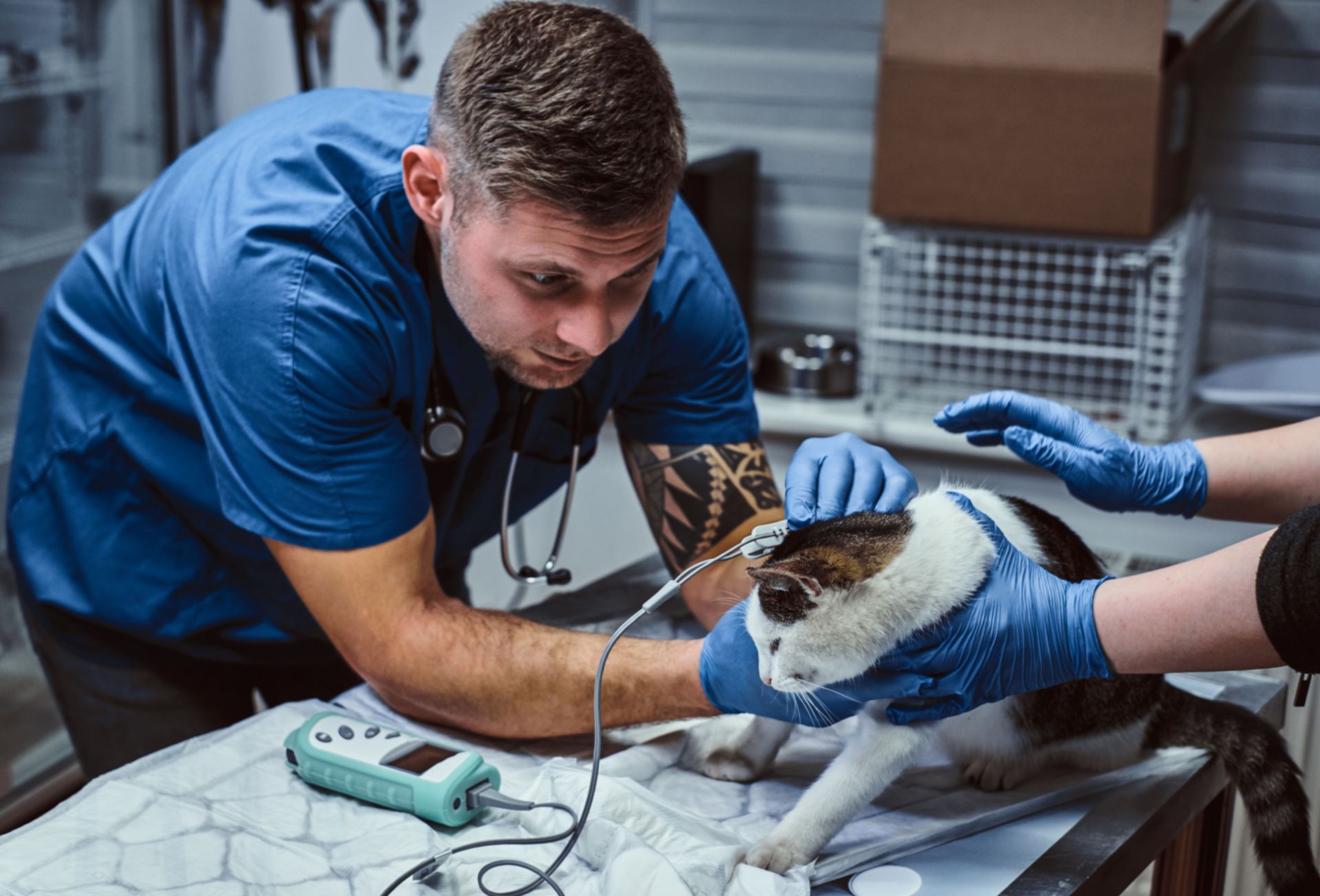
Routine medical attention from qualified professionals is paramount to maintain wellness and detect potential underlying issues before they escalate into serious crises. Animals are biologically programmed to hide discomfort and vulnerability, which means an illness might be advanced by the time symptoms become visible to an owner. According to the NIH, around 76% of pet owners visit a veterinarian at least once a year. These regular wellness visits provide the perfect opportunity for comprehensive physical exams, early disease detection, diagnostic blood work, and vital conversations regarding minor behavioral or physical changes. Partnering closely with veterinarians allows you to stay proactive about preventative healthcare, saving your companion from unnecessary pain and saving you from sudden, massive financial expenses over their lifespan.
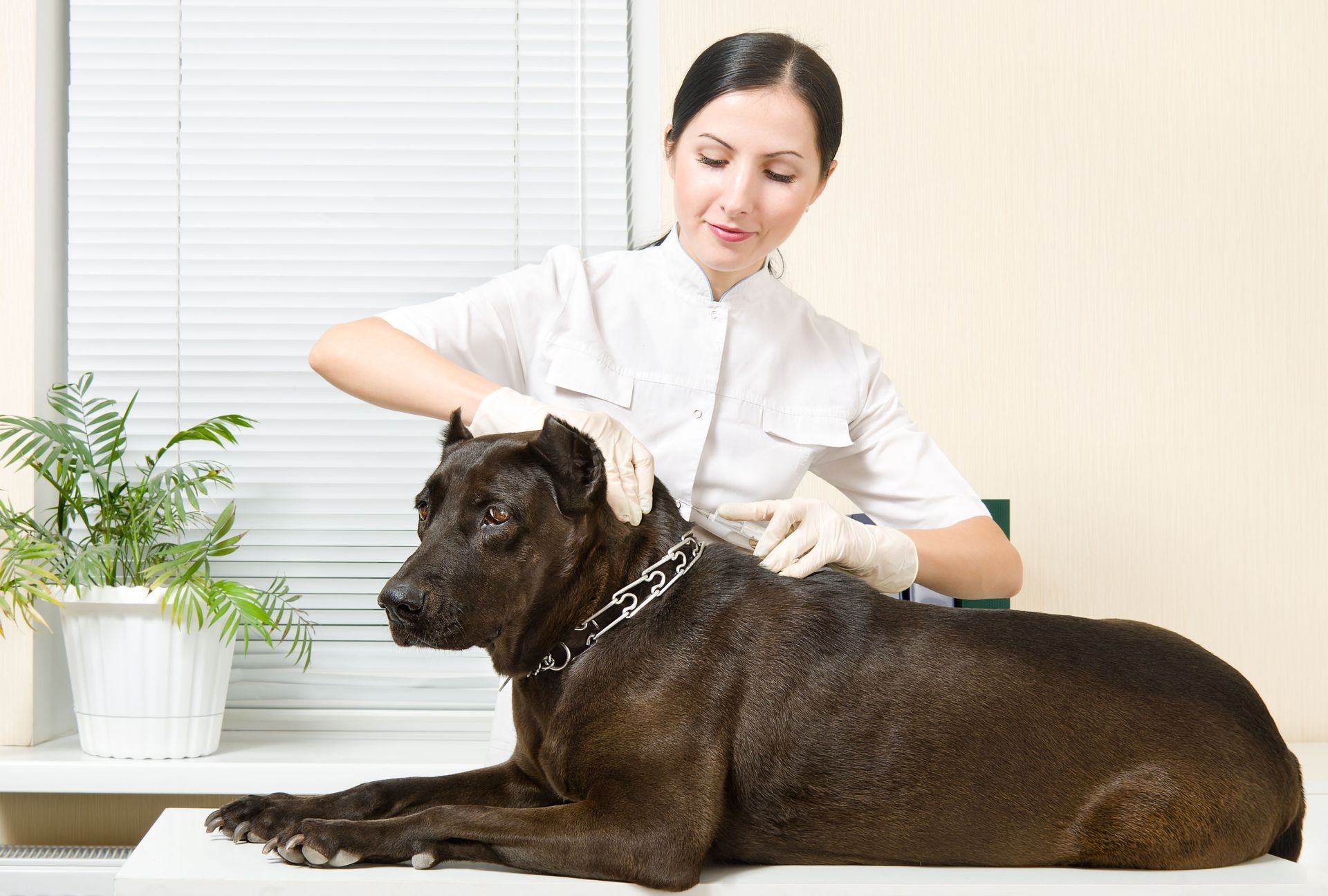
Vaccinations and preventative treatments are completely non-negotiable aspects of a responsible wellness regimen. Staying up to date on immunizations protects your domestic animals from highly contagious, devastating diseases like rabies, parvovirus, and feline leukemia. Furthermore, maintaining a rigorous schedule for flea, tick, and heartworm prevention protects your home, your family, and your animal from dangerous parasites that carry chronic blood-borne pathogens. Experienced veterinarians can customize a preventative care plan based on specific environmental risks, regional parasite prevalence, and your companion's lifestyle.
Recognizing subtle signs of illness requires deep familiarity with your companion's daily baselines. Sudden shifts in appetite, changes in water consumption, lethargy, or minor alterations in grooming habits can all serve as early warning signs of internal distress. Dental care is another critical component of veterinary health that is frequently overlooked, yet untreated periodontal disease can cause severe pain and shed bacteria directly into the bloodstream, damaging the heart and kidneys. Prioritizing routine professional cleanings and examinations ensures your animal remains healthy from head to paw.
Creating safe living environments
A secure, highly predictable home environment is foundational to peace of mind, physical safety, and emotional comfort. Proofing your living space involves viewing your home from an animal's perspective, identifying and eliminating hidden hazards that could prompt an emergency medical emergency. This includes securing exposed electrical cords that might be chewed, removing toxic houseplants like lilies or philodendrons, and locking away accessible household chemicals, medications, and human foods like chocolate or xylitol. By proactively creating a secure environment, you drastically reduce the risk of accidental poisonings or foreign body ingestions.
Providing dedicated, comfortable sleeping areas tailored specifically to your animal's size, age, and joint condition gives them a vital sense of personal security. Animals require a quiet sanctuary where they can rest undisturbed, away from the chaotic noise of busy household activities. For senior animals, orthopedic bedding can significantly alleviate the chronic discomfort of arthritis and improve sleep quality. Ensuring their designated resting spots are kept dry, warm, and free from drafty airflow directly supports their immune system and structural health.
Organizing and securing outdoor spaces is just as critical as managing the interior of your home. Installing secure, escape-proof fencing prevents accidental wandering, traffic accidents, and unwanted encounters with local wildlife or stray animals. For indoor companions, environmental safety means installing sturdy window screens and managing multi-animal dynamics so that resources like water bowls, litter boxes, and toys are plentiful, preventing territorial anxiety and maintaining a peaceful household balance.
Stimulating physical and mental health
Daily physical exercise and robust mental engagement are essential for curbing destructive behaviors that typically stem from boredom, frustration, and pent-up energy. Regular walks, interactive fetch sessions, and agility exercises do more than just manage weight; they support healthy cardiovascular function, keep joints lubricated, and promote proper digestion. Interactive playtime strengthens your mutual bond, teaching your companion how to safely interact with you while expending physical energy in a structured, productive manner.
Teaching new commands and behaviors using positive reinforcement exercises their brain, builds communication clarity, and significantly boosts their confidence. Puzzle toys, scent tracking games, and trick training are fantastic ways to tire an animal out mentally, which is often just as effective as physical exertion. When you reward desirable behaviors with praise, play, or healthy treats, you encourage cooperation and reduce stress-induced behaviors like excessive barking, scratching, or chewing on household furniture.
Committing to lifelong care
True companionship means fully embracing a compassionate, long-term commitment that spans an animal's entire natural lifecycle. As your companion advances through life, their mobility, dietary, and medical demands will inevitably shift, requiring greater patience, structural modifications, and financial resources from you. Aging animals may develop cognitive decline, vision loss, or incontinence, requiring you to adapt your home and daily routine to preserve their comfort and dignity. This phase of care requires a deep emotional willingness to provide gentle comfort to those who have given you a lifetime of loyalty.
Budgeting for unexpected medical emergencies or investing in comprehensive pet insurance early in life helps mitigate the immense financial stresses often associated with senior care. Having a clear financial strategy ensures that critical medical decisions can be made based on quality of life rather than monetary constraints. Openly discussing senior wellness plans, pain management protocols, and palliative care options with your veterinary team allows you to remain fully prepared for the natural realities of aging.
Partnering with trusted veterinarians throughout this journey ensures your animal remains comfortable, pain-free, and deeply loved through every developmental stage. The bond formed through years of mutual trust is irreplaceable, and navigating the later years with grace is the ultimate fulfillment of a responsible caretaker's promise. By honoring this lifelong commitment, you provide your companion with a secure, joyful existence from their very first day at home until their peaceful final moments. Fulfilling these core duties ensures that your beloved companions lead vibrant, healthy lives. For more information about the services that we offer, reach out to our incredible team at Dobbs Ferry Animal Hospital today!