March 3, 2026
Introducing a new puppy to your home comes with a multitude of responsibilities, chief among them being ensuring its health and well-being. Regular veterinary care is essential during the early stages of a puppy's life as it lays the foundation for long-term health. Local animal hospitals offer invaluable resources and services for new pet owners, providing guidance and professional care to help keep your puppy healthy and thriving.
Comprehensive Health Examinations
Initial Puppy Check-up
The first step in ensuring your puppy's health is an initial check-up at a local animal hospital. This initial visit often includes a thorough physical examination to assess your puppy's overall health. Veterinarians check for congenital issues, skin conditions, and any immediate health concerns. Establishing a health baseline early is crucial for monitoring health progression over time. Regular check-ups allow you to build a relationship with the veterinary team, making it easier to address health issues as they arise.
Routine Physical Examinations
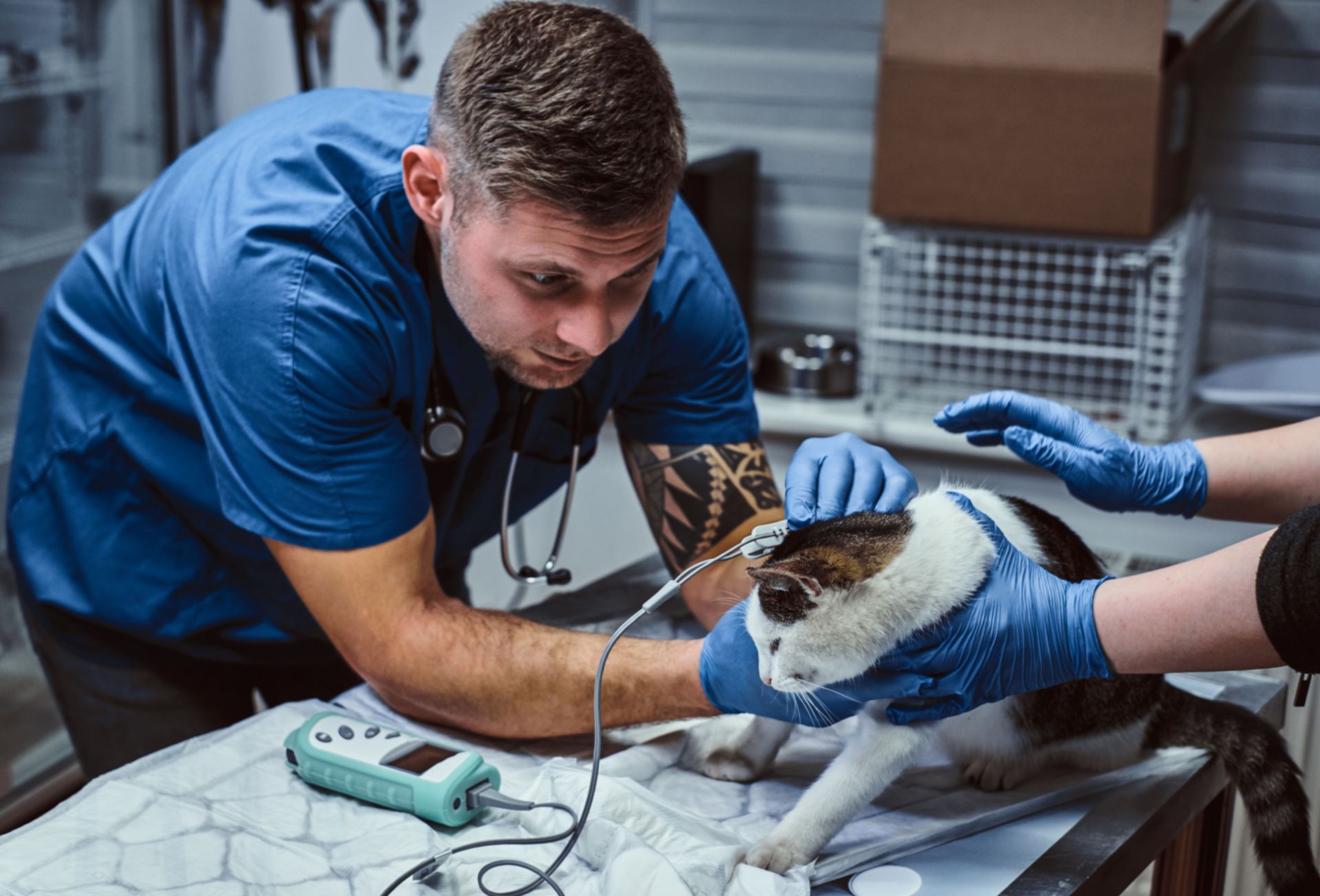
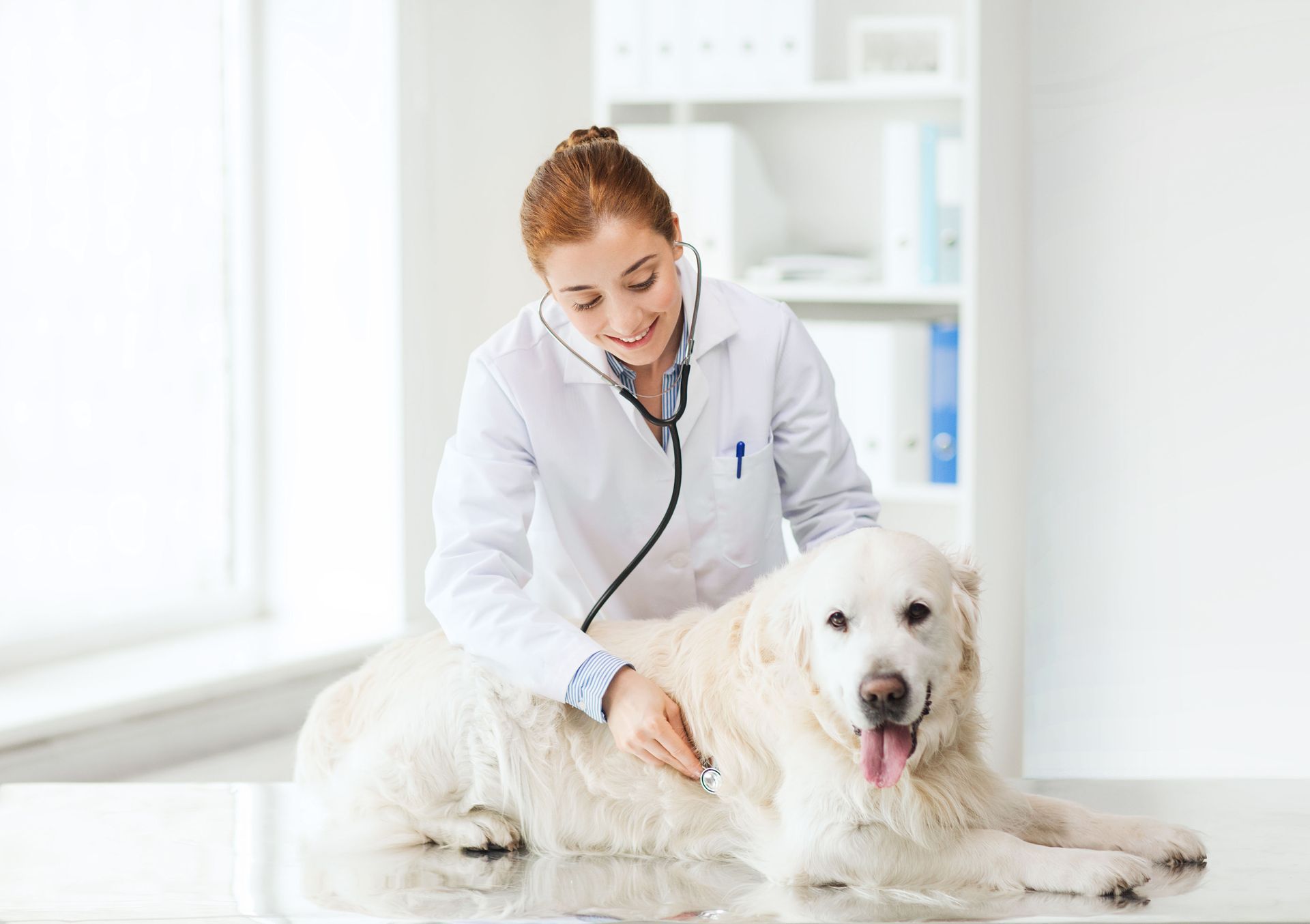
Routine physical examinations are critical in maintaining your puppy's health, catching potential issues before they become serious. These examinations ensure that your puppy meets developmental milestones and remains free from disease. During these visits, a veterinarian will assess vital signs, check for any abnormalities, and discuss any noticed behavioral changes. Conducting routine exams provides comfort to pet owners that they are actively participating in their puppy's health care. By following a veterinarian's advice, you can make informed decisions about your pet's well-being.
Growth Monitoring and Developmental Assessments
Monitoring the growth and development of your puppy is a key component of comprehensive veterinary care. Regular assessments help in tracking your puppy's growth patterns and ensure they are developing as expected. For instance, veterinarians can provide projections based on breed and size, offering standards to guide nutrition and activity levels. This information helps prevent health issues related to over- or undergrowth. Early intervention during these developmental assessments can correct growth-related issues before they impact long-term health.
Behavioral Evaluations
Furthermore, behavioral evaluations are an essential part of a puppy's routine check-up, as they can detect early signs of behavioral issues. Understanding a puppy's behavior helps in managing socialization and training needs. Veterinarians are trained to recognize signs of anxiety, aggression, and other behavioral anomalies. Assessment during early stages allows for tailored intervention strategies, fostering a well-adjusted pet. Addressing behavioral health helps encourage positive interactions in family and community settings.
Customized Health Care Plans
Just as every puppy is unique, so too are their healthcare requirements. A local animal hospital can develop customized health care plans tailored to the specific needs of your puppy. These plans may include personalized vaccination schedules, diet consultations, and specialized treatments. By considering factors such as breed, lifestyle, and individual health considerations, veterinarians can craft a comprehensive plan that promotes optimal health. Such plans ensure that puppies receive proactive, rather than reactive, healthcare services.
Vaccination Protocols
Core Vaccines for Puppies
Vaccination is one of the pivotal aspects of preventative care for puppies, protecting them from a range of potentially deadly diseases. Core vaccines are essential for all puppies, safeguarding against conditions such as distemper, parvovirus, and rabies. The widespread adoption of vaccines has significantly reduced the incidence of these diseases. According to the American Veterinary Medical Association, puppies typically receive vaccinations around four months of age to ensure robust immunity. Timely and appropriate vaccination protects the puppy and contributes to broader public health by reducing disease transmission.
Non-core Vaccines and Lifestyle Considerations
Non-core vaccines are administered based on the puppy's lifestyle, environment, and risk of exposure to certain diseases. These include vaccines for Bordetella, leptospirosis, and Lyme disease, among others. Veterinarians at local animal hospitals can assess the necessity of these vaccines by considering your pet's daily activities and travel plans. Such vaccines are paramount for puppies who frequent dog parks, groomers, or have exposure to wildlife. Tailoring your puppy's vaccination needs helps to avoid unnecessary vaccinations while ensuring appropriate protection.
Schedule and Timing of Inoculations
Proper scheduling is vital for effective vaccination, ensuring robust and lasting immunity. Veterinary professionals create a schedule that aligns with key developmental milestones, and we recommend the first shots between six and eight weeks old. This structured approach continues with booster shots to maintain immunity throughout the early stages of a puppy's life. Understanding the timing of inoculations aids pet owners in planning and contributing to their puppy's long-term health. Detailed records help ensure that vaccinations are up-to-date without missing crucial doses.
Booster Shots
Additionally, booster shots play a critical role in maintaining immunity that might wane after initial vaccinations. Administered at specific intervals following initial shots, booster vaccinations reinforce the body's defense against pathogens. Veterinarians guide booster timings based on a puppy's age and previous vaccination reactions. Regular boosters are typically required for diseases like rabies and distemper. Knowing the importance of these shots helps pet owners remain vigilant in sustaining their puppy's immunity over time.
Parasite Prevention and Control
Understanding Common Parasites
Also, parasites pose a common threat to puppies, potentially leading to severe health conditions if left untreated. Understanding the types of parasites, such as roundworms, hookworms, ticks, and fleas, is crucial for effective prevention. Local animal hospitals educate pet owners on signs to look out for and provide diagnostic screenings to catch infestations early. Appropriate preventive measures help avoid discomfort and serious health consequences. Awareness and open dialogue with a veterinarian can significantly reduce the negative impact of parasites on a puppy's health.
De-Worming Treatments
De-worming is a routine procedure necessary to keep puppies free from common internal parasites. Ideally beginning at two weeks of age, deworming must be repeated regularly, with specific intervals favored by veterinarians. Local animal hospitals provide safe and effective deworming medications specifically tailored to a puppy's age and weight. By following a veterinarian's de-worming protocol, pet owners can prevent the unpleasant symptoms that accompany parasitic infections. Keeping a scheduled deworming regimen is an easy yet vital step towards maintaining a healthy puppy.
Flea and Tick Prevention
Fleas and ticks pose a year-round threat, with prevention being a necessary part of comprehensive care. Veterinary-recommended preventive products offer effective protection whilst being safe for puppies. Application techniques vary by product type, oral, topical, or collars, and the frequency of application depends on the seasonal risk and geographical area. Animal hospitals can recommend the best options suited to your puppy's lifestyle and health status. Maintaining flea and tick prevention ensures your puppy remains comfortable and less susceptible to related diseases.
Heartworm Disease Prevention
Heartworm disease, transmitted by mosquitoes, can cause serious health issues in puppies if left unchecked. Year-round prevention is advisable to guard against this potentially fatal condition, with preventive medications readily available through local animal hospitals. Screening for heartworm before starting a prevention regimen is essential to ensure your puppy isn't already infected. Regular consultations with a veterinary professional ensure that preventive measures are administered appropriately. Proactive heartworm prevention contributes to safeguarding long-term health.
A local animal hospital is an invaluable partner in assuring your puppy's health and happiness. Through services ranging from routine checkups and vaccinations to emergency and behavioral support, these institutions offer comprehensive care for every stage of a puppy's life. The collaborative relationship between pet owners and veterinary professionals fosters a proactive approach to health, emphasizing the importance of regular visits and timely interventions. For an animal hospital, contact us today at Dobbs Ferry Animal Hospital.